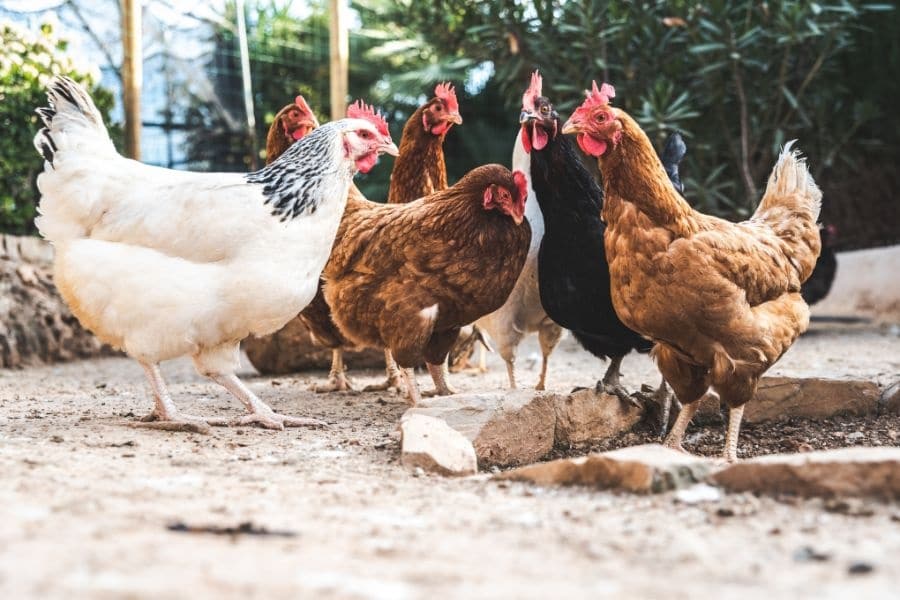

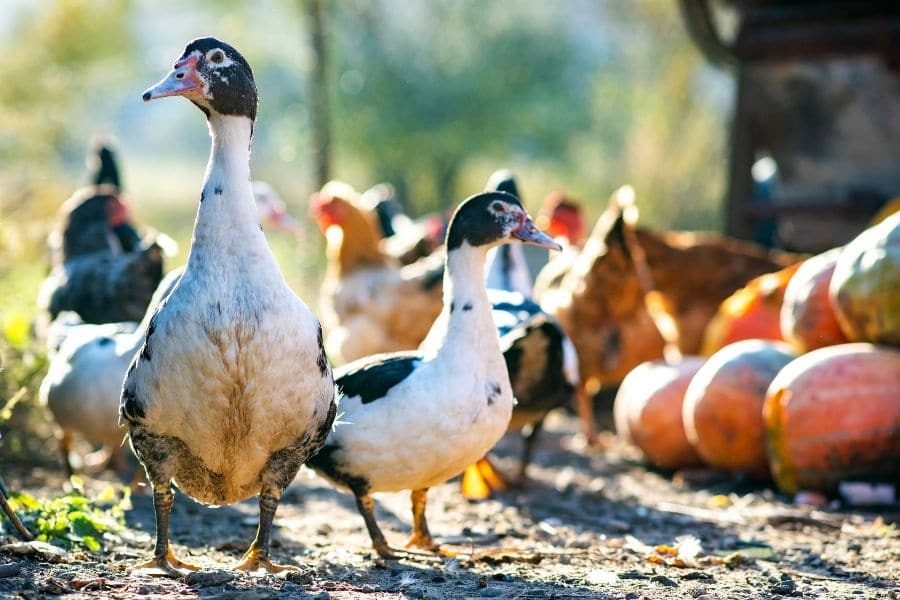
Ducks can be wonderful additions to a home flock. They are active, social, curious, and often surprisingly entertaining to watch. Like any animal, however, ducks can develop health problems that may become more difficult to manage when early signs are overlooked. Understanding common duck health concerns can help owners recognize changes sooner and seek appropriate veterinary guidance.
For families involved in backyard poultry, learning normal duck behavior is one of the most valuable ways to protect a flock. A healthy duck should generally be alert, active, interested in food and water, and comfortable moving with the group. When those patterns change, it is worth taking a closer look.
Why Early Recognition Matters for Ducks
Ducks can sometimes hide illness until they are significantly affected. Their natural behavior may make subtle symptoms easy to miss, particularly when owners have several birds to observe.
A duck that becomes quieter than usual, spends more time sitting, separates from the flock, or stops showing interest in food may be experiencing a health problem. Changes in droppings, breathing, walking, feather condition, or water consumption can also provide useful clues.
Early recognition does not necessarily mean that every unusual behavior indicates disease. Ducks may behave differently because of weather, stress, diet, environmental changes, or normal life stages. However, persistent or concerning changes deserve professional evaluation.
1. Respiratory Problems
Respiratory disease can affect ducks and may present with symptoms such as sneezing, coughing, nasal discharge, noisy breathing, open mouth breathing, or repeated stretching of the neck.
A duck that is struggling to breathe should be separated from other birds while veterinary guidance is sought. Some respiratory conditions can spread through a flock, so identifying the underlying cause is important.
Good airflow, dry bedding, clean water sources, and appropriate housing can help support respiratory health. Avoid overcrowding and regularly inspect the living area for excessive moisture or buildup of waste.
2. Digestive Problems and Abnormal Droppings
Droppings can naturally vary based on diet, hydration, age, and environmental conditions. A persistent change in appearance or frequency, however, may indicate a health concern.
Watch for unusually watery droppings, blood, excessive mucus, unusual coloration, or a significant change from what is normal for your flock. Digestive problems can be associated with parasites, infections, dietary issues, toxins, or other underlying conditions.
If abnormal droppings occur along with lethargy, appetite loss, weight loss, or reduced activity, a veterinary examination can help determine the cause.
3. Loss of Appetite
A healthy duck usually shows interest in food throughout the day. If a bird suddenly eats much less or refuses food, pay close attention to other symptoms.
Appetite loss can accompany digestive problems, infection, pain, parasites, injury, or environmental stress. Ducks can become weak when they do not receive adequate nutrition and hydration.
Monitor the bird’s water intake as well. A duck that is not eating or drinking should receive veterinary attention, especially when the change continues or is accompanied by weakness.
4. Difficulty Walking or Standing
Healthy ducks should be able to walk, stand, swim, and move around their environment without obvious discomfort. Limping, reluctance to walk, sitting excessively, or difficulty standing may indicate an injury or medical problem.
Inspect the feet and legs for swelling, cuts, sores, unusual growths, or other visible changes. Some foot conditions can develop from unsuitable surfaces, poor sanitation, nutritional problems, or injuries.
Do not force a painful duck to walk or swim. A veterinarian can assess the bird and determine whether the issue involves the feet, joints, muscles, bones, or another part of the body.
5. Swollen or Injured Feet
Foot health is particularly important for ducks because they spend considerable time standing and walking on their feet. Cuts, swelling, sores, and irritated skin can interfere with movement and may become infected.
Regularly inspect the areas around the toes and footpads. Housing surfaces should remain clean and should not contain sharp objects that could cause injury.
If swelling, discharge, bleeding, or persistent lameness develops, arrange a veterinary evaluation. Early attention may help prevent a small foot problem from becoming more complicated.
6. Feather and Skin Changes
Feathers provide important protection and help ducks maintain normal body temperature. Excessive feather loss, damaged feathers, irritated skin, crusting, or persistent scratching may indicate parasites, nutritional concerns, skin disease, environmental irritation, or other problems.
Regularly observing the flock can help owners identify changes before they become severe. Look beneath feathers around areas where parasites may be easier to spot.
A veterinarian can examine the skin and feathers and determine whether testing or targeted treatment is appropriate.
7. Unusual Drinking or Increased Thirst
Changes in water consumption can sometimes provide an early clue that something is wrong. Ducks naturally drink frequently, so owners should focus on noticeable changes rather than an exact amount.
A bird that suddenly drinks substantially more or less than usual may be experiencing a health issue. Changes in weather can also influence water consumption, so consider environmental factors when evaluating the behavior.
Always provide clean drinking water that is accessible to every bird. Dirty water can contribute to poor flock health and may encourage the spread of harmful organisms.
8. Eye or Facial Changes
Healthy duck eyes should generally appear clear and comfortable. Squinting, swelling, discharge, cloudiness, redness, or repeatedly rubbing the face can indicate irritation or disease.
Facial swelling may also accompany respiratory problems or other infections. Because eye problems can worsen and may affect vision, noticeable changes should be assessed by a veterinarian.
Avoid applying human eye products or leftover medications unless a veterinarian specifically recommends them for your duck.
9. Sudden Isolation From the Flock
Ducks are social animals. A bird that consistently separates from the group may be experiencing pain, weakness, stress, or illness.
Pay attention if a normally active duck begins sitting alone, avoids water, stays in the shelter, or fails to follow the flock. Isolation becomes particularly concerning when it occurs alongside appetite loss, abnormal breathing, unusual droppings, or changes in posture.
Knowing your ducks’ normal personalities makes these subtle changes easier to recognize.
10. Changes in Posture or Activity
Posture can provide valuable information about duck health. A duck that remains hunched, keeps its eyes closed, repeatedly lowers its head, or appears unusually still may not be feeling well.
Likewise, a sudden decrease in swimming, walking, feeding, or social activity can indicate a problem. Ducks may also become less active during certain weather conditions, so consider temperature and environmental changes before drawing conclusions.
When unusual posture continues or appears with other symptoms, veterinary assessment can help identify the underlying issue.
Common Health Concerns in Backyard Ducks
Several categories of health problems can affect backyard ducks. These include respiratory conditions, digestive disorders, parasites, injuries, nutritional deficiencies, foot problems, reproductive concerns, and infections.
The signs can overlap considerably. For example, reduced appetite may occur with many different conditions, while lethargy can result from pain, infection, nutritional problems, or environmental stress.
That is why diagnosing a duck based only on one symptom can be unreliable. A veterinarian may consider the bird’s age, diet, housing, flock history, behavior, physical findings, and other factors before recommending further testing or treatment.
Supporting Healthy Ducks at Home
Good daily management is an important foundation for duck health. Provide clean drinking water, suitable nutrition, safe shelter, adequate ventilation, and enough space for normal movement.
Keep bedding clean and dry, remove waste regularly, and inspect outdoor areas for hazards such as sharp objects, toxic substances, stagnant water, or unsafe plants.
Observe every bird rather than assuming that a flock is healthy because most ducks appear normal. A single bird can become ill without immediately attracting attention from the rest of the flock.
It is also helpful to keep basic records. Note changes in appetite, weight, egg production when applicable, behavior, injuries, and other unusual observations. These details can give your veterinarian useful information during an examination.
When to Contact a Veterinarian
Contact a veterinarian when a duck has persistent appetite loss, breathing changes, severe weakness, significant injury, difficulty standing, unusual swelling, abnormal droppings, or other symptoms that concern you.
If several birds develop similar signs, professional guidance is particularly important because the problem may involve the flock environment or a condition that can spread between birds.
Avoid using medications designed for other animals without veterinary direction. Ducks have specific medical and nutritional considerations, and treatment decisions may also need to account for whether eggs or meat are intended for human consumption.
Protecting Your Backyard Poultry Flock
Good duck health begins with observation and consistent care. Spending a few minutes each day watching your birds can help you identify subtle changes before they become obvious problems.
Pay attention to appetite, activity, breathing, droppings, walking, feathers, eyes, and social behavior. When something seems different and does not return to normal, take the change seriously.
For local families caring for ducks around Annapolis, access to knowledgeable veterinary support can make flock management easier. Bay Ridge Animal Hospital can help pet owners understand common health concerns and develop practical care strategies suited to their birds.
Schedule a Duck Health Consultation
If you have noticed changes in your duck’s appetite, behavior, breathing, movement, droppings, feathers, or overall activity, contact Bay Ridge Animal Hospital to discuss your concerns. Our veterinary team can provide guidance for backyard poultry owners and help determine when an examination or additional diagnostic care may be appropriate. Schedule an online appointment or contact our team to learn more about supporting healthy ducks and a thriving home flock.
Frequently Asked Questions
Q1. What are the first signs that a duck may be sick?
Ans: Early signs can include reduced appetite, decreased activity, isolation from the flock, changes in droppings, unusual posture, breathing changes, or difficulty walking. A noticeable change from normal behavior is worth monitoring closely.
Q2. Can ducks become sick from dirty drinking water?
Ans: Poor water quality can contribute to health problems and create conditions that allow harmful organisms to multiply. Providing clean drinking water and regularly cleaning water containers are important parts of backyard duck care.
Q3. Should I separate a sick duck from the flock?
Ans: Separation may be appropriate when a duck is showing signs of illness, particularly when contagious disease is possible. Contact a veterinarian for guidance about isolation, hygiene, and protecting the rest of the flock.
Q4. Why is my duck having trouble walking?
Ans: Difficulty walking can result from injuries, foot problems, nutritional concerns, joint issues, or other medical conditions. Examine the feet and legs for visible changes and arrange a veterinary assessment if the problem persists.
Q5. When should a backyard duck see a veterinarian?
Ans: A veterinarian should be contacted when concerning symptoms persist, become more noticeable, or occur together. Breathing difficulty, significant weakness, inability to eat or drink, severe injury, and major changes in movement warrant prompt professional attention.
Related Articles