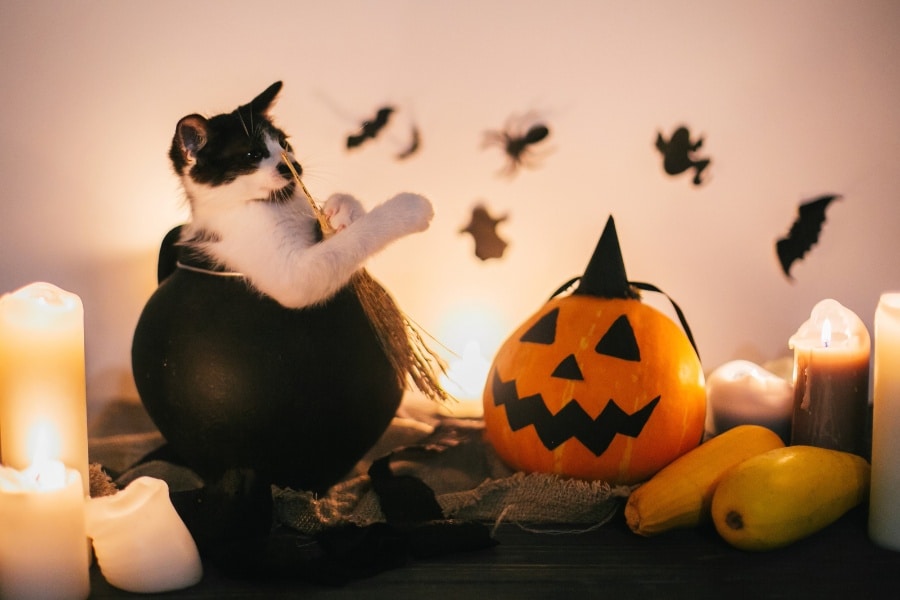
Halloween is a fun time for families in Annapolis, with themed parties, colorful desserts, festive snacks, and plenty of treats to share. However, many popular Halloween foods contain ingredients that can be harmful to dogs and cats. A plate of brownies left on a coffee table or a candy bowl placed within reach can quickly become a problem for a curious pet.
Pet owners searching for vets near me may want to learn how to prevent food-related problems before hosting a Halloween gathering. At Bay Ridge Animal Hospital in Annapolis, understanding common seasonal hazards can help families make safer choices for their four-legged companions. With a few practical precautions, you can enjoy your Halloween party while keeping your pets away from potentially dangerous foods.
Why Halloween Party Foods Can Be Dangerous for Pets
Halloween party menus often include chocolate desserts, candies, cookies, cakes, and dishes containing rich or unfamiliar ingredients. While these foods may be appealing to pets because of their smell and taste, many are unsuitable for their digestive systems. Some ingredients can cause mild stomach upset, while others may lead to serious health complications.
Dogs are particularly likely to investigate food left unattended, although cats can also get into trouble when treats are stored within reach. Pets may grab food from a serving table, lick frosting from a plate, or eat scraps dropped during a party. Even a small amount of certain ingredients can pose a risk depending on the pet’s size, the food consumed, and the quantity eaten.
Keeping party food away from pets is therefore an important part of Halloween preparation.
Keep Chocolate and Cocoa-Based Desserts Out of Reach
Chocolate is a common ingredient in Halloween brownies, cakes, cookies, cupcakes, and candy. It contains theobromine and caffeine, substances that dogs and cats process differently from humans. The level of risk depends on the type of chocolate, the amount consumed, and the animal’s size.
Dark chocolate, baking chocolate, and cocoa powder generally contain higher concentrations of these substances than milk chocolate. However, no chocolate dessert should be considered safe for pets simply because it contains a small amount.
Possible signs of chocolate toxicity include vomiting, diarrhea, restlessness, increased heart rate, tremors, and seizures. Symptoms may not appear immediately, so waiting for visible signs can delay appropriate care.
Store chocolate desserts in closed containers or cabinets that pets cannot access. Avoid leaving brownies, candy bars, or chocolate-covered snacks on low tables during parties. Remind guests not to offer chocolate to animals, even as a tiny taste.
If your pet eats chocolate, contact a veterinarian promptly with details about the type and estimated quantity consumed.
Watch Out for Sugar-Free Candy and Desserts
Sugar-free sweets may seem like a better option for human guests, but some can be particularly dangerous for dogs. One ingredient of concern is xylitol, a sugar substitute found in certain sugar-free candies, chewing gums, baked goods, and other products.
In dogs, xylitol can trigger a rapid release of insulin, causing blood sugar to drop dangerously low. In some cases, exposure can also damage the liver. Warning signs may include weakness, vomiting, difficulty walking, collapse, or seizures.
Always check ingredient labels before placing sugar-free desserts on a party table. Keep gum, mints, and candy packages inside secure storage areas, and ask guests to put these items away rather than leaving them in bags or pockets within a pet’s reach.
If you suspect your dog has swallowed a product containing xylitol, seek immediate veterinary guidance. Do not wait for symptoms to develop or attempt home treatment without professional instructions.
Avoid Giving Pets Rich, Fatty, or Creamy Foods
Halloween gatherings may include cheese dips, creamy desserts, buttery pastries, fried snacks, and other rich foods. Although a small taste may seem harmless, these items can upset a pet’s digestive system.
Foods with a high fat content can contribute to vomiting, diarrhea, and, in some cases, pancreatitis. This condition involves inflammation of the pancreas and can cause abdominal discomfort, reduced appetite, lethargy, and repeated vomiting.
Dairy-heavy desserts can also cause digestive problems in pets that have difficulty digesting lactose. Additionally, some frostings and fillings contain chocolate, artificial sweeteners, or other ingredients that introduce further risks.
Rather than sharing party leftovers, offer your pet an appropriate portion of its regular food or a pet-safe treat. If guests want to give your dog or cat something special, provide approved treats in advance and explain that other foods are off limits.
Be Careful With Grapes, Raisins, and Baked Goods
Halloween desserts can contain ingredients that are easy to overlook. Raisins may appear in cookies, fruitcakes, snack mixes, and other baked goods. Grapes and raisins can cause kidney injury in dogs, and the amount that may lead to illness is unpredictable.
Avoid giving pets any dessert containing grapes or raisins. If your dog consumes one of these ingredients, contact a veterinarian immediately for advice instead of waiting to see whether symptoms appear.
Baked goods may also contain macadamia nuts, alcohol-based flavorings, coffee, or other ingredients that are unsuitable for pets. Some recipes include multiple hazardous ingredients, making it difficult to estimate the risk based on appearance alone.
Keep homemade desserts covered, retain packaging or recipe information when possible, and dispose of scraps securely. If your pet eats an unknown dessert, identifying its ingredients can help the veterinary team assess the situation.
Prevent Access to Alcohol and Party Drinks
Halloween parties may include themed cocktails, punch, coffee drinks, and other beverages. Alcohol can be toxic to pets, even when it is present in a mixed drink or dessert. Drinks left on low tables, spilled beverages, and unattended cups can all create opportunities for accidental ingestion.
Caffeine-containing beverages may also cause harmful effects, particularly when consumed in significant amounts. Coffee grounds and certain coffee-flavored desserts can pose additional concerns.
Keep drinks on stable, elevated surfaces that pets cannot reach, and clear empty cups promptly. Ask guests to avoid leaving glasses on the floor or beside pet beds. Clean up spills as soon as possible, and never intentionally offer alcoholic or caffeinated beverages to an animal.
Provide fresh water in a designated pet area so your companion has access to an appropriate drink throughout the gathering.
Create a Pet-Safe Area During the Halloween Party
Food safety becomes more challenging when guests are moving between rooms, serving snacks, and opening doors. Creating a comfortable pet-friendly space can reduce opportunities for accidental food consumption.
Choose a quiet room away from food preparation and serving areas. Provide familiar bedding, fresh water, appropriate toys, and a comfortable place to rest. Depending on your pet’s temperament, you may use a secure gate or closed door to limit access to the party.
Let guests know that feeding table scraps is not permitted. Children should also understand that pets should not receive candy, frosting, or other party treats.
Keep trash cans covered or inside a secured area. Dessert wrappers, skewers, food-soiled napkins, and discarded packaging can attract curious animals. Swallowing wrappers or other non-food items may cause choking or digestive obstruction.
Check the party area periodically to ensure that dropped food and unattended plates are removed promptly.
Know What to Do if Your Pet Eats a Risky Food
Despite careful preparation, pets can sometimes reach food before anyone notices. If you suspect your companion has eaten a potentially harmful ingredient, stay calm and gather as much information as possible.
Identify the food, estimate how much may be missing, and note when the ingestion might have occurred. Save the packaging, ingredient list, or recipe if available. Contact a veterinarian promptly and follow the recommended instructions.
Do not induce vomiting, administer human medication, or try home remedies unless a veterinary professional specifically directs you to do so. Some substances can cause additional harm when treated incorrectly.
Seek immediate veterinary attention if your pet shows concerning signs such as repeated vomiting, severe weakness, tremors, difficulty breathing, collapse, or seizures. However, do not wait for symptoms if you already know your pet has consumed a dangerous ingredient.
Quick communication with a veterinary team can help determine the appropriate next steps.
Enjoy a Safer Halloween With Bay Ridge Animal Hospital
A little preparation can help your family enjoy Halloween without exposing your pets to unsafe party foods and leftover desserts. Secure chocolate and candy, check ingredient labels, keep alcohol out of reach, and make sure guests understand the rules for feeding animals.
If you have concerns about a food your pet has consumed or need guidance on keeping your companion safe during seasonal celebrations, contact Bay Ridge Animal Hospital in Annapolis. Visit the hospital’s website or contact the team to ask about appointment options and available veterinary care. Planning ahead can help you protect your pet and make Halloween more enjoyable for everyone in your household.
Frequently Asked Questions
Q1. Can dogs eat Halloween candy in small amounts?
Ans: Halloween candy should not be offered to dogs. Chocolate, xylitol-containing sweets, and candies with other hazardous ingredients can cause serious health problems. Choose appropriate dog treats instead.
Q2. What should I do if my cat eats chocolate cake?
Ans: Contact a veterinarian promptly and share your cat’s approximate weight, the type of cake, the ingredients, and the amount eaten if known. Do not wait for symptoms or attempt home treatment without veterinary guidance.
Q3. Are Halloween desserts made with raisins safe for pets?
Ans: No. Raisins can cause kidney injury in dogs, and the amount that may cause harm is unpredictable. If your dog eats a dessert containing raisins, seek veterinary guidance immediately.
Q4. How can I stop guests from feeding my pet party leftovers?
Ans: Tell guests before the party that pets should not receive table scraps or desserts. Keep approved pet treats available if appropriate, and use a separate, comfortable space for your pet when food is being served.
Q5. When should I contact a veterinarian after my pet eats a questionable food?
Ans: Contact a veterinarian as soon as you suspect your pet has eaten a potentially toxic ingredient, even if your pet seems normal. Symptoms such as repeated vomiting, tremors, weakness, or seizures require immediate veterinary attention.
Related Articles