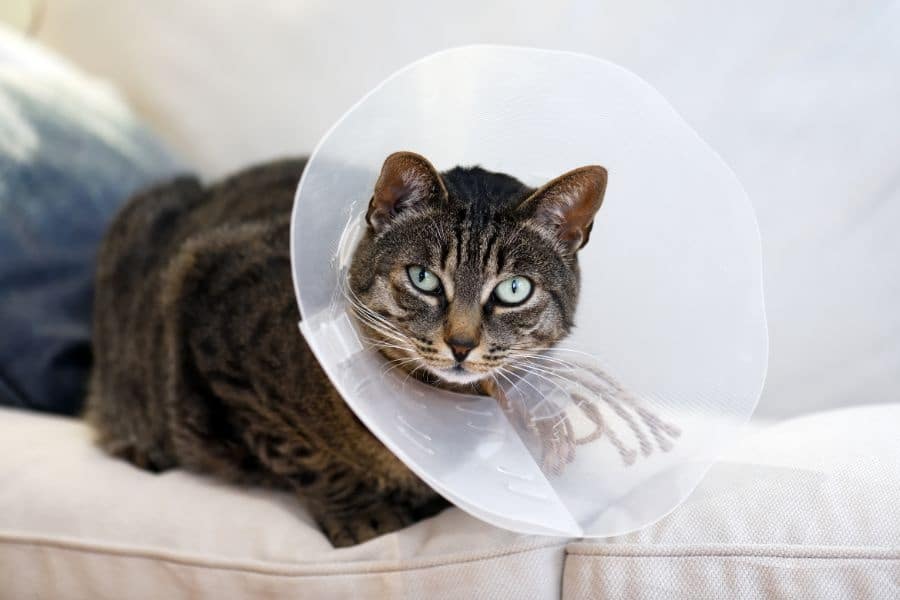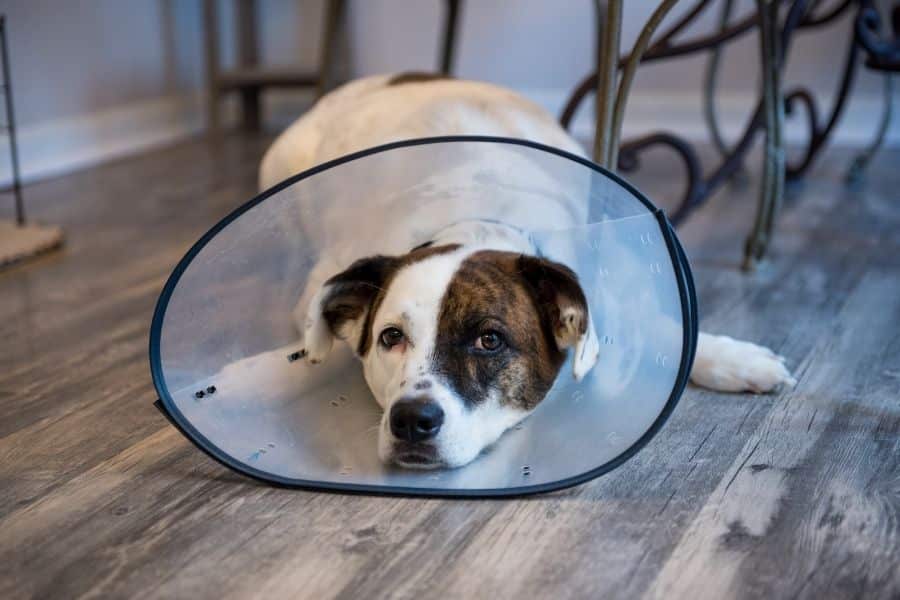
When your dog is scheduled for a surgical procedure, having clear information can make the experience easier to understand and prepare for. Surgery can involve several steps, from diagnostic evaluation and preparation to anesthesia, the procedure itself, and recovery at home. Knowing what to expect allows you to make informed decisions and provide appropriate care afterward.
Every dog has different health needs, and the details of a surgical plan can vary depending on the procedure, age, medical history, and overall condition. Before your dog undergoes veterinary surgery, take time to discuss the plan with your veterinarian.
For dog owners in Annapolis, Bay Ridge Animal Hospital can help you understand the considerations involved in your dog’s procedure. Asking the right questions can help you feel more prepared and support your dog’s pet surgical care from preparation through recovery.
What Is the Purpose of the Surgery?
Start by asking why surgery has been recommended. Understanding the purpose of the procedure gives you a clearer idea of what the veterinarian is trying to address.
Ask what condition is being treated and what the veterinarian hopes to accomplish. It can also be helpful to ask what may happen if the condition is managed differently or if surgery is not performed.
A clear explanation can help you understand how the procedure fits into your dog’s overall treatment plan rather than viewing surgery as an isolated event.
What Will the Procedure Involve?
Ask your veterinarian to explain the planned procedure in straightforward terms.
You may want to know where the procedure will take place, what general steps are involved, and approximately how long the procedure may take. Depending on the type of surgery, the approach can vary considerably.
Understanding what will happen can also help you prepare questions about your dog’s recovery. If the procedure is expected to involve a particular area of the body, ask whether there are specific restrictions or care instructions you should anticipate afterward.
Does My Dog Need Additional Testing Before Surgery?
Pre-surgical evaluation can provide important information about your dog’s current health.
Ask whether blood testing, imaging, or other diagnostic evaluations are recommended before the procedure. These assessments can help the veterinarian identify factors that may influence anesthesia, surgical planning, or recovery.
Not every dog requires exactly the same testing. Recommendations can depend on age, medical history, physical examination findings, medications, and the type of procedure being considered.
Understanding the purpose of any recommended testing can help you see how it contributes to your dog’s overall pet surgical care.
How Will My Dog’s Health Affect the Procedure?
Your dog’s existing health conditions may influence the surgical plan.
Tell your veterinarian about previous medical problems, current medications, changes in appetite or activity, and anything unusual you have noticed recently. Even information that seems unrelated to the planned procedure may be useful.
Ask whether your dog’s age, weight, heart health, breathing, kidney function, liver health, or other factors could affect preparation or recovery.
Veterinary surgery should be approached with the individual patient in mind. A procedure that is appropriate for one dog may require different considerations for another.
What Should I Know About Anesthesia?
Anesthesia is an important part of many surgical procedures, so it is reasonable to ask how it will be managed.
Ask what type of anesthesia is expected and how your dog will be monitored during the procedure. You can also ask whether your dog’s medical history or pre-surgical test results affect the anesthesia plan.
Your veterinarian can explain the monitoring process and any preparation instructions that apply before the procedure.
Having this conversation beforehand can help you understand how the veterinary team approaches your dog’s safety throughout surgery.
What Should My Dog Eat or Drink Before Surgery?
Pre-surgical instructions may include specific guidance about food and water.
Ask exactly when your dog should have their last meal and whether water access should be adjusted before the appointment. Instructions can vary depending on the procedure and the veterinary team’s recommendations.
It is important to follow the instructions provided for your individual dog rather than relying on general advice from another pet owner.
If your dog takes regular medications, ask whether they should be given before the procedure or handled differently that day.
What Will Recovery Look Like?
Recovery is an important part of pet surgical care, and it begins as soon as your dog leaves the surgical area.
Ask how long your dog may need to remain under observation and what you should expect when they return home. Your veterinarian can explain expected changes in activity, appetite, behavior, and comfort during the initial recovery period.
Also ask how much rest your dog will need and whether certain activities should be limited. Understanding these expectations before surgery can make it easier to organize your home environment.
What Restrictions Will My Dog Have After Surgery?
Dogs may naturally want to return to their normal activities before their body has fully recovered.
Ask whether your dog should avoid running, jumping, climbing stairs, playing with other pets, or going on longer walks. The appropriate level of activity can depend on the type of veterinary surgery performed.
You may also need to create a quiet area where your dog can rest comfortably. If your dog normally has access to furniture or stairs, consider asking whether those activities should be temporarily restricted.
What Signs Should I Monitor at Home?
Ask your veterinarian what changes are expected during recovery and which observations should prompt you to contact the clinic.
You may be instructed to monitor the surgical site, appetite, activity, bathroom habits, or behavior. Knowing what is considered part of normal recovery can help you distinguish expected changes from concerns that require veterinary attention.
Keep your veterinarian’s instructions accessible after your dog returns home. If you are unsure about something you observe, contacting the veterinary practice for guidance is preferable to making assumptions.
When Is the Follow-Up Appointment?
Follow-up care allows the veterinarian to evaluate how your dog is progressing.
Before surgery, ask when the first follow-up visit should occur and whether additional examinations may be necessary. Depending on the procedure, the veterinarian may want to evaluate healing, review activity restrictions, or determine when your dog can gradually return to normal routines.
Ask whether there are specific milestones you should watch for between appointments.
Keeping follow-up appointments can be an important part of successful recovery and ongoing pet surgical care.
What Will My Role Be During Recovery?
Pet owners play an important role once a dog returns home.
Ask what medications, wound care, feeding instructions, activity restrictions, or other responsibilities you will have. If your dog is likely to resist restrictions, discuss practical ways to keep them comfortable and appropriately rested.
You can also ask what supplies should be available at home before the procedure. Preparing in advance can reduce unnecessary stress during the recovery period.
How Can I Prepare My Dog’s Home Environment?
A comfortable recovery area can make post-surgical care easier.
Choose a space where your dog can rest without excessive activity or interruptions. Depending on the procedure, you may need to limit access to stairs, slippery floors, furniture, or areas where other pets could encourage play.
Ask your veterinarian whether your dog’s normal sleeping arrangement is appropriate during recovery or whether changes are recommended.
Small preparations can make it easier to follow the veterinary team’s instructions once your dog comes home.
Discuss Veterinary Surgery With Your Annapolis Veterinarian
Before your dog’s procedure, do not hesitate to ask questions. Understanding the reason for surgery, preparation requirements, anesthesia considerations, recovery expectations, activity restrictions, and follow-up care can help you approach the process with greater confidence.
For pet owners in Annapolis, Bay Ridge Animal Hospital can discuss your dog’s individual needs and explain what to expect as part of veterinary surgery. A thoughtful conversation before the procedure can help ensure that you understand your responsibilities and know how to support your dog’s recovery.
Schedule a Consultation Before Your Dog’s Surgery
If your dog has been recommended for a surgical procedure, schedule an online appointment with Bay Ridge Animal Hospital. Discuss your questions and concerns with the veterinary team so you can better understand the procedure, preparation, and recovery plan for your dog.
Frequently Asked Questions
Q1. What should I ask before my dog has surgery?
Ans: Ask about the purpose of the procedure, the surgical approach, pre-surgical testing, anesthesia, preparation instructions, expected recovery, activity restrictions, medications, follow-up visits, and signs to monitor at home.
Q2. Does every dog need testing before veterinary surgery?
Ans: Testing recommendations vary based on the dog’s age, medical history, physical examination findings, current health, medications, and type of procedure. Your veterinarian can explain which evaluations are appropriate.
Q3. How can I prepare my home for my dog’s recovery?
Ans: Create a comfortable resting area and ask whether your dog should have restricted access to stairs, furniture, slippery surfaces, or other areas that could encourage excessive activity.
Q4. How long will my dog need activity restrictions after surgery?
Ans: The recovery period varies according to the procedure and individual patient. Your veterinarian can provide specific instructions about walking, running, jumping, playing, and gradually returning to normal activities.
Q5. What should I do if I have concerns after my dog’s surgery?
Ans: Follow the discharge instructions provided by your veterinary team and contact the clinic if you notice a change that concerns you or if you are uncertain whether something is part of the expected recovery process.
Related Articles