
An occasional ear irritation may seem minor, but recurring discomfort, persistent odor, or repeated head shaking can indicate an infection that needs professional attention. When symptoms continue despite initial treatment, the underlying cause may not have been fully addressed. Recognizing when urgent vet care is needed can help prevent ongoing pain and reduce the risk of complications for your dog.
Ear infections are common in dogs, but they should not be treated as a problem that will always resolve on its own. Understanding the warning signs, possible causes, and available veterinary treatments helps owners make informed decisions about their pet’s health.
Why Do Some Dog Ear Infections Keep Coming Back?
A persistent ear infection may involve bacteria, yeast, inflammation, or a combination of these factors. While treatment can reduce symptoms, the infection may return if an underlying trigger remains.
Common contributors include:
- Moisture inside the ear: Water trapped after bathing or swimming can create conditions that encourage microbial growth.
- Allergies: Environmental or food-related allergies may cause inflammation and make the ears more vulnerable to recurring infections.
- Ear anatomy: Dogs with narrow ear canals or heavy, floppy ears may experience reduced airflow and greater moisture retention.
- Excessive wax production: Wax buildup can contribute to irritation and create an environment where microorganisms multiply.
- Foreign material: Grass seeds or other debris may become trapped in the ear canal and cause inflammation.
- Inadequate treatment: Symptoms may improve before the underlying infection has completely resolved, particularly if medication is stopped too early.
Identifying the reason behind repeated infections is important. Treating the visible symptoms without addressing the contributing condition may lead to another uncomfortable episode.
Signs That Your Dog’s Ear Infection Needs Attention
Dogs often communicate ear discomfort through changes in their behavior. Some signs are easy to notice, while others may develop gradually.
Watch for these symptoms:
- Frequent head shaking or tilting
- Repeated scratching around the ears
- Redness or swelling inside the ear flap
- Dark, yellow, or unusual ear discharge
- A strong or unpleasant odor
- Sensitivity when the ears are touched
- Crusting or scabs around the ear opening
- Restlessness or difficulty settling down
A dog may also become less interested in play or react defensively when someone approaches its head. These changes can indicate discomfort even when the ear does not look severely inflamed.
If symptoms persist, worsen, or return after treatment, arrange a veterinary examination rather than repeatedly trying home remedies.
When Is Urgent Pet Care Necessary for an Ear Infection?
Not every ear infection requires immediate attention, but certain symptoms suggest that the problem may be progressing beyond a routine irritation. Urgent pet care may be appropriate when your dog shows significant pain, rapidly worsening inflammation, or signs that the infection could be affecting deeper structures.
Contact a veterinary professional promptly if you notice:
- Severe pain or crying when the ear is touched
- Significant swelling around the ear canal
- Blood or substantial discharge from the ear
- Persistent head tilting or loss of balance
- Unusual eye movements or difficulty walking
- Sudden changes in hearing or responsiveness
- Marked lethargy or a noticeable change in behavior
Balance problems, a persistent head tilt, or unusual eye movements can sometimes indicate involvement of the middle or inner ear. These symptoms should not be ignored.
In particular, a dog that cannot stand normally, appears severely distressed, or develops sudden neurological changes needs immediate veterinary assessment. Do not wait for a routine appointment if these signs occur.
What Happens When an Ear Infection Is Left Untreated?
An untreated or poorly managed infection can cause more than temporary itching. Continued inflammation may make the ear canal swollen and painful, sometimes narrowing the passage and making future treatment more difficult.
Potential complications include:
Chronic Ear Canal Inflammation
Repeated infections can cause thickening of the ear canal tissue. This may reduce airflow and make it harder for medication to reach the affected area.
Ear Hematomas
Frequent head shaking or scratching can damage small blood vessels in the ear flap. Blood may collect beneath the skin, creating a swollen, fluid-filled area known as an ear hematoma.
Middle or Inner Ear Involvement
Infections can sometimes extend deeper into the ear. This may lead to more serious symptoms, including balance difficulties, head tilting, or changes in hearing.
Persistent symptoms are a reason to seek urgent vet care, particularly when your dog seems increasingly uncomfortable or develops signs beyond ordinary scratching.
How Veterinarians Diagnose Persistent Ear Infections
A proper diagnosis helps determine why the infection keeps returning and which treatment is most appropriate. Simply looking at the outer ear may not provide enough information.
Ear Examination
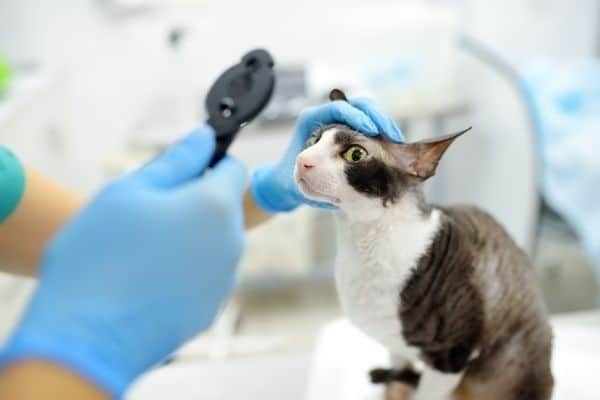
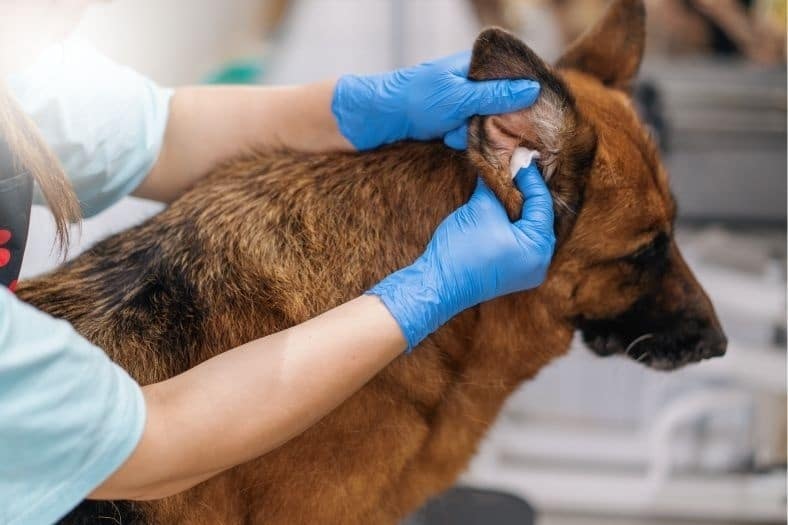
The veterinarian will examine the ear flap and canal for redness, swelling, discharge, foreign material, or other abnormalities. An otoscope may be used to inspect deeper areas of the ear, including the eardrum when visibility allows.
Ear Swab and Microscopic Testing
A sample of ear discharge may be collected and examined under a microscope. This can help identify yeast, bacteria, and inflammatory cells. In recurring or difficult-to-treat cases, additional laboratory testing may be recommended to guide medication choices.
Investigating Underlying Causes
If infections repeatedly return, the veterinarian may consider allergies, skin conditions, ear anatomy, or other contributing factors. Addressing these issues is often essential to reducing future episodes.
The treatment plan will depend on the findings. It may include prescribed ear medication, cleaning performed or recommended by the veterinary team, treatment for underlying inflammation, or further testing.
How to Care for Your Dog’s Ears Between Visits
Consistent ear care can support treatment and help owners notice changes early. However, cleaning should be appropriate for your dog’s condition. An inflamed or painful ear may need examination before any cleaning is attempted.
Helpful practices include:
- Check the ears regularly for redness, odor, or unusual discharge.
- Dry the outer ear gently after bathing or swimming.
- Use only a veterinarian-recommended ear-cleaning solution.
- Follow medication instructions for the full prescribed duration.
- Avoid inserting cotton swabs or other objects deep into the ear canal.
- Keep track of recurring symptoms and when they appear.
Never use alcohol, hydrogen peroxide, essential oils, or household cleaning products inside your dog’s ears. These substances may irritate sensitive tissue or worsen an existing problem.
If your dog repeatedly develops ear infections, ask your veterinarian about a preventive care routine suited to its ear structure, lifestyle, and medical history.
Finding Veterinary Support in Annapolis
Recurring ear problems can be frustrating for both dogs and their owners, especially when symptoms return after treatment. If you are searching for vets in Annapolis, consider a veterinary practice that can examine persistent ear conditions, perform appropriate diagnostic testing, and investigate possible underlying causes.
Early assessment can help your dog get relief while reducing the likelihood of further complications. Keep track of previous infections, medications, and any reactions to treatment so you can share useful information during the visit.
Schedule a Veterinary Appointment
If your dog continues to shake its head, scratch its ears, or develop unusual discharge, arrange an examination to identify the cause. Bay Ridge Animal Hospital can help evaluate persistent ear symptoms and determine an appropriate care plan. Use the hospital’s online appointment option, if available, to request a visit. If your dog has severe pain, balance problems, or rapidly worsening symptoms, seek immediate veterinary attention rather than waiting for a routine appointment.
Call Our Veterinary Team
Would you like guidance about your dog’s recurring ear symptoms? Call 410-268-6994 to discuss what you have noticed and ask about the next appropriate step. Be prepared to describe the odor, discharge, head shaking, and any previous treatments. If your dog is experiencing severe distress or sudden balance difficulties, seek prompt veterinary assessment.
Frequently Asked Questions
Q1. Can a dog have an ear infection without scratching its ears?
Ans: Yes. Some dogs show subtle symptoms, such as an unusual odor, mild discharge, or sensitivity when their head is handled. Others may become quieter or less interested in activities. Scratching is common but not essential for an ear infection to be present, so changes in ear appearance or behavior deserve attention.
Q2. Why does my dog’s ear infection return after medication?
Ans: Recurring infections may indicate that the original cause has not been resolved. Allergies, moisture, abnormal ear anatomy, resistant microorganisms, or an incomplete treatment course can contribute. A veterinarian may recommend another examination and diagnostic testing rather than simply repeating the previous medication.
Q3. Can certain dog breeds be more prone to recurring ear problems?
Ans: Dogs with floppy ears, narrow ear canals, or heavy hair growth around the ear opening may be more susceptible to moisture retention and ventilation problems. Breeds with skin allergies may also experience recurring inflammation. However, any dog can develop an ear infection, regardless of breed or ear shape.
Q4. Should both of my dog’s ears be treated if only one seems infected?
Ans: Not necessarily. One ear may have an infection while the other remains healthy, or both ears may be affected differently. A veterinarian should examine both sides and recommend treatment based on the findings. Applying medication to an unaffected ear without instructions may cause unnecessary irritation.
Q5. Can recurring ear infections affect a dog’s hearing?
Ans: They can, particularly when inflammation becomes chronic or an infection affects deeper ear structures. Swelling and discharge may temporarily interfere with sound transmission, while severe complications can cause more lasting hearing changes. If your dog responds differently to familiar sounds, mention this during the veterinary examination.