
Cats are naturally curious animals. They may chew on string, play with ribbons, swallow pieces of toys, or investigate small household objects. Although these behaviors can seem harmless, swallowing a foreign object can create a serious problem if it becomes lodged in the digestive tract. Depending on the object’s size, shape, and location, a cat may need veterinary treatment or surgery to remove it safely.
Understanding when cat surgery may be necessary helps owners recognize concerning symptoms and seek veterinary attention before complications develop. At Bay Ridge Animal Hospital in Annapolis, learning about the warning signs of a gastrointestinal obstruction can help cat owners make informed decisions about their pet’s care. Veterinary evaluation is important because not every swallowed object requires surgery, but some can threaten a cat’s health if treatment is delayed.
What Happens When a Cat Swallows a Foreign Object?
A foreign object is any material that a cat swallows but cannot properly digest. Common examples include string, thread, ribbon, hair ties, rubber bands, small toy pieces, foam, and fragments of plastic. Some cats also swallow sewing needles or other sharp objects, which can cause internal injuries.
After an object is swallowed, it may pass through the stomach and intestines without causing lasting problems. However, larger objects may become stuck, while sharp items can damage delicate tissues. Some materials can also obstruct the movement of food and fluids through the digestive tract.
String-like objects are particularly concerning. If a cat swallows thread or ribbon, one end may become anchored under the tongue or in the stomach while the remaining length moves into the intestines. As the intestines contract, the material can bunch them together and cut into the intestinal wall. This condition is known as a linear foreign body and may require prompt surgical intervention.
Signs Your Cat May Have Swallowed Something
Cats often hide discomfort, so changes in behavior may be among the first clues that something is wrong. Symptoms depend on the object’s location, whether it causes a partial or complete blockage, and how long it has been present.
Watch for the following signs:
- Repeated vomiting or unsuccessful attempts to vomit
- Reduced appetite or complete refusal to eat
- Unusual tiredness, weakness, or hiding
- Abdominal discomfort, tenderness, or a hunched posture
- Straining to pass stool or producing less stool than usual
- Drooling, gagging, or repeated swallowing
- Restlessness or unusual behavior
- Signs of dehydration, such as reduced energy and dry or tacky gums
These symptoms can also occur with other illnesses, so they do not confirm that a foreign object is present. However, repeated vomiting, abdominal pain, or suspected ingestion of a dangerous object warrants prompt veterinary assessment. A cat can have an obstruction even if some stool is still passing.
When Does a Cat Need Surgery?
Surgery may be recommended when a foreign object cannot pass safely through the digestive tract or when it is already causing damage. The veterinarian considers the object’s location, shape, size, and movement, along with the cat’s symptoms and diagnostic findings.
Several situations may make surgery necessary.
The Object Causes an Intestinal Blockage
A blockage can prevent food, fluid, and digestive contents from moving normally. Pressure may build up inside the affected section, leading to swelling, dehydration, and damage to the intestinal tissues. If the obstruction cannot be resolved safely through other treatment, surgery may be needed to remove the object.
The Object Is Sharp or Potentially Dangerous
Sharp objects, including needles and certain hard plastic fragments, may puncture the digestive tract. Some objects can cause injury even before a complete blockage develops. A veterinarian may recommend removal based on the item’s characteristics and location rather than waiting for symptoms to worsen.
A String or Ribbon Is Trapped in the Intestines
Linear foreign bodies can cause severe intestinal injury because the material may pull against the intestinal wall as it moves. Surgery is often necessary when the string is creating significant tension, causing obstruction, or damaging the tissues.
Never pull visible string from a cat’s mouth or anus. Pulling can cause the material to cut into the intestines. Contact a veterinarian for instructions instead.
The Intestinal Tissue Is Damaged
A prolonged obstruction may reduce blood flow to part of the intestine. In severe cases, the affected tissue can become damaged or perforated, allowing intestinal contents to leak into the abdomen. This can lead to a dangerous infection and require more extensive surgery.
Can a Foreign Object Be Removed Without Surgery?
Not every swallowed object requires an operation. If an object is small, smooth, and moving safely through the digestive tract, a veterinarian may recommend close monitoring with follow-up examinations or imaging. This approach is appropriate only when the veterinarian determines that observation is safe.
In selected cases, an object in the esophagus or stomach may be removed using an endoscope. This flexible instrument allows a veterinarian to view and retrieve certain objects through the mouth without making an abdominal incision. Whether this option is suitable depends on the object’s shape, size, location, and accessibility, as well as the available equipment.
Inducing vomiting at home is not a safe solution for every swallowed object. Sharp items, string, and certain materials can cause additional injury if brought back up. Do not give oils, laxatives, or other home remedies unless a veterinarian specifically instructs you to do so.
How Veterinarians Diagnose a Foreign Body
Before recommending veterinary surgery, the veterinarian typically reviews the cat’s history, including when the object may have been swallowed, what the material was, and whether symptoms have developed. A physical examination can help identify abdominal tenderness, dehydration, or other concerning findings.
Diagnostic imaging may then be recommended. X-rays can reveal some foreign objects and patterns associated with intestinal obstruction. However, materials such as fabric, string, and certain plastics may not be directly visible. Ultrasound can help evaluate the intestines, identify abnormal movement, and detect changes associated with a blockage.
Blood tests may also be useful to assess hydration, electrolyte imbalances, and overall health before treatment. No single test identifies every foreign body, so the veterinarian combines the examination, history, and diagnostic findings to determine the next step.
What Happens During Foreign Object Removal Surgery?
The exact procedure depends on where the object is located and whether it has caused tissue damage. If an object is lodged in the stomach, the veterinarian may perform a gastrotomy, which involves opening the stomach to remove it. If the object is in the intestine, an enterotomy may be performed to retrieve it.
When a section of intestine has suffered severe, irreversible damage, the surgeon may need to remove that section and reconnect the healthy ends. This procedure is more complex and requires careful postoperative monitoring.
Cats undergoing cat surgery receive anesthesia and supportive care tailored to their condition. Depending on the severity of the obstruction, treatment may include intravenous fluids, pain management, and monitoring of vital signs. After surgery, the veterinary team checks the incision, appetite, comfort, hydration, and return of normal digestive function.
Recovery time varies. Cats with uncomplicated procedures may recover more quickly than those with extensive intestinal damage or complications.
Helping Your Cat Recover After Surgery
Following the veterinarian’s discharge instructions is essential for a safe recovery. Your cat may need restricted activity, prescribed medication, incision monitoring, and a gradual return to normal feeding. Offer food according to the recommended schedule rather than making sudden changes.
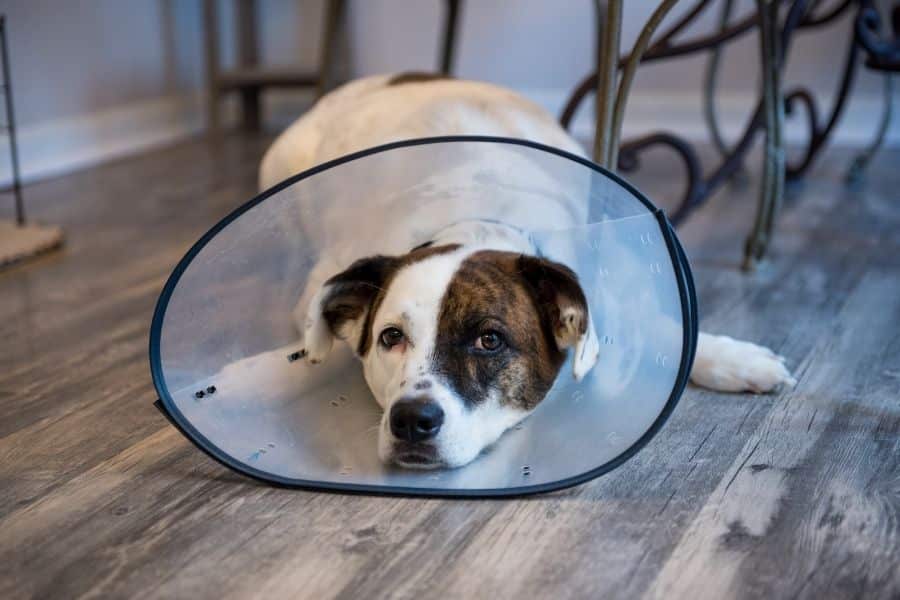
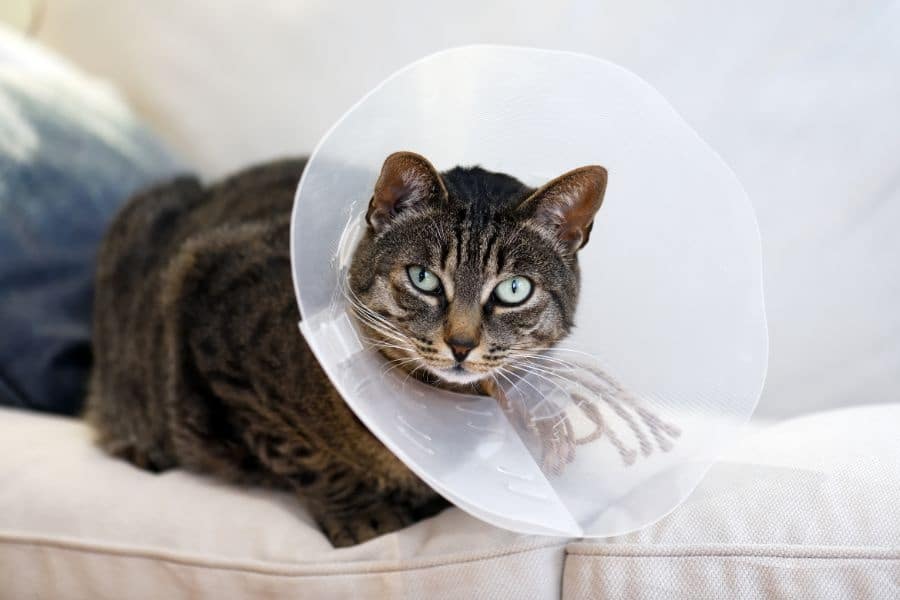
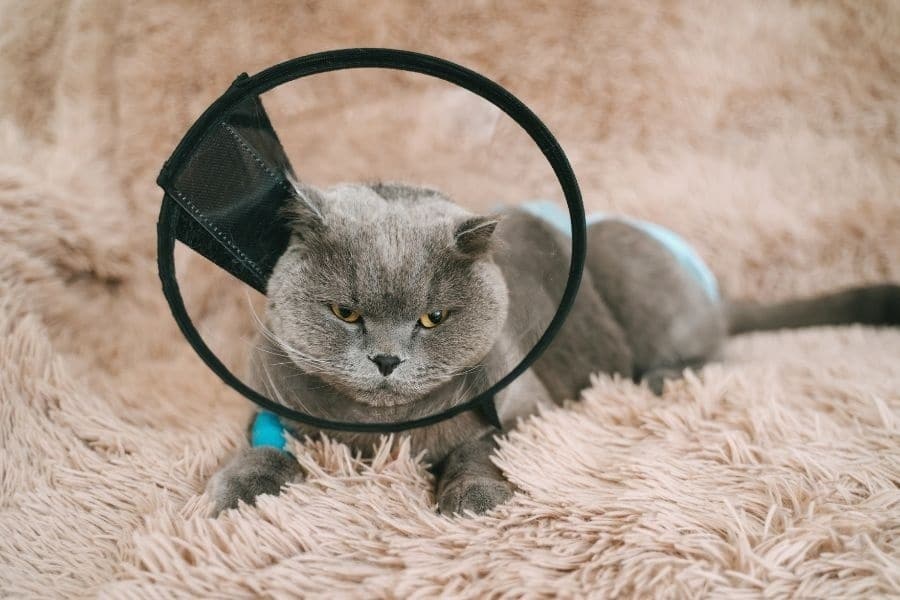
Prevent your cat from licking or chewing the incision. An appropriate protective collar may be recommended. Check the surgical site for increasing redness, swelling, discharge, or opening, and contact the veterinary team if you notice these changes.
Repeated vomiting, worsening lethargy, significant abdominal discomfort, refusal to eat beyond the timeframe specified by the veterinarian, or difficulty keeping water down should be reported promptly. Keep scheduled follow-up appointments so healing can be assessed.
Preventing Foreign Object Ingestion at Home
Prevention is an important part of protecting your cat’s digestive health. Store sewing supplies, ribbons, thread, hair ties, rubber bands, and small craft materials in closed containers. Put away toys with loose parts and regularly inspect play items for damage.
Supervise play involving string or ribbon, and put these items away when playtime ends. Choose toys designed for cats and remove damaged pieces before they can be swallowed. Keep trash cans covered and secure items such as dental floss and packaging materials.
If you suspect your cat has swallowed an object, do not wait for symptoms to appear before seeking veterinary advice. Early assessment may help determine whether monitoring, endoscopic retrieval, or surgery is the safest option.
Schedule a Veterinary Consultation in Annapolis
Suspected foreign object ingestion can be stressful, but timely veterinary guidance helps you understand your cat’s options. Bay Ridge Animal Hospital in Annapolis can help evaluate concerning symptoms, determine which diagnostic tests may be appropriate, and discuss treatment recommendations based on your cat’s condition. Don’t wait to prioritize your pet’s health. Book an appointment with our veterinary team online.
Contact the veterinary team if your cat may have swallowed string, a toy fragment, or another object. Explain what was swallowed, approximately when it happened, and any changes you have observed. The team can advise you on the appropriate next step and whether your cat needs prompt assessment.
Frequently Asked Questions
Q1. How long does it take for a swallowed object to cause symptoms in a cat?
Ans: Symptoms may develop within hours or take longer, depending on the object’s location, size, and effect on the digestive tract. Some dangerous objects cause problems before obvious signs appear, so contact a veterinarian if ingestion is suspected.
Q2. Can a cat pass a foreign object naturally without surgery?
Ans: Yes, some small, smooth objects may pass through the digestive tract without surgery. However, passage is not guaranteed, and monitoring should be guided by a veterinarian because certain objects can cause an obstruction or internal injury.
Q3. Is string more dangerous than other objects for cats?
Ans: String, thread, and ribbon can become anchored in the digestive tract and cause the intestines to bunch together. This may lead to serious tissue damage, making suspected string ingestion a reason to seek prompt veterinary guidance.
Q4. How long does a cat take to recover from foreign object removal surgery?
Ans: Recovery varies with the procedure and the amount of intestinal damage. Some cats recover within a couple of weeks, while more complicated cases may require longer monitoring. Follow the veterinarian’s instructions for feeding, medication, activity, and follow-up care.
Q5. What should I do if I see string hanging from my cat’s mouth?
Ans: Do not pull the string or try to remove it yourself. It may extend into the stomach or intestines, and pulling can cause serious injury. Contact a veterinarian promptly for instructions and an appropriate examination.