

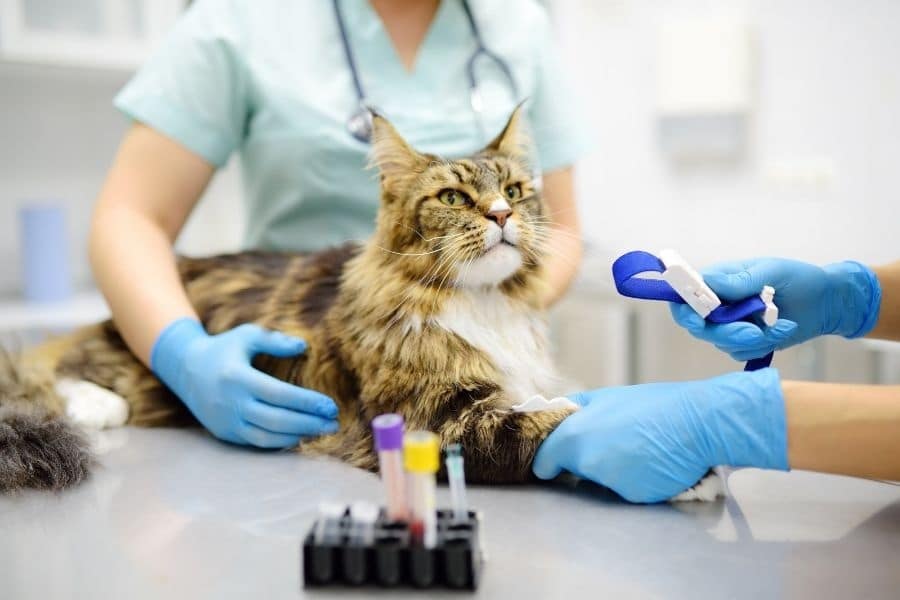
When a pet needs surgery, preparing for the procedure involves more than choosing a date and following fasting instructions. One important step is evaluating your pet’s overall health before anesthesia. Pre-surgical bloodwork helps veterinarians understand how the body is functioning and identify potential health concerns that may influence the surgical plan. Even pets that appear healthy can have underlying conditions that are not immediately visible during a physical examination.
At Bay Ridge Animal Hospital, understanding your pet’s health before a procedure is an important part of responsible pet surgical care. Blood tests provide valuable information about internal organ function, blood cells, and other factors that can affect how an animal responds to anesthesia. For pet owners in Annapolis, knowing why these tests matter can make the preparation process feel more informed and reassuring.
What Is Pre-Surgical Bloodwork?
Pre-surgical bloodwork refers to laboratory testing performed before a pet undergoes anesthesia or surgery. These tests help assess important aspects of your pet’s health that cannot always be evaluated through an external examination alone.
A veterinarian may recommend a combination of tests depending on your pet’s age, medical history, physical condition, and planned procedure. Common components include:
- Complete blood count (CBC): Evaluates red blood cells, white blood cells, and platelets.
- Blood chemistry panel: Provides information about organ function, blood glucose, proteins, and electrolytes.
- Additional testing: May be recommended when a pet has specific symptoms, an existing medical condition, or a history that requires closer evaluation.
The results help the veterinary team identify potential concerns and determine whether additional assessment or adjustments are needed before proceeding.
Why Bloodwork Is Important Before Anesthesia
Anesthesia affects several body systems, including the cardiovascular, respiratory, and nervous systems. Although modern anesthetic protocols are designed to support patient safety, every pet responds differently depending on their health and individual circumstances.
Pre-surgical bloodwork helps veterinarians evaluate whether the body is prepared to process anesthetic medications and recover from the procedure.
For example, changes in kidney or liver function may influence how certain medications are metabolized or eliminated. Abnormal red blood cell levels can affect oxygen delivery throughout the body, while platelet abnormalities may influence blood clotting.
By reviewing these findings beforehand, veterinarians can make more informed decisions about anesthetic medications, monitoring requirements, and the timing of surgery. Testing does not eliminate every risk, but it provides useful information for developing a more individualized approach to pet surgery.
What Can a Complete Blood Count Reveal?
A complete blood count is commonly included in pre-anesthetic testing because it evaluates several components of the blood.
Red blood cells and anemia
Red blood cells carry oxygen to tissues throughout the body. If a pet has a low red blood cell count or reduced hemoglobin, it may indicate anemia. Depending on its severity and underlying cause, anemia can affect how efficiently oxygen reaches vital organs during anesthesia and recovery.
White blood cells and possible infection
White blood cells play an important role in the immune system. Increased or decreased levels may indicate inflammation, infection, immune-related conditions, or other health concerns. These findings may prompt the veterinarian to investigate further before proceeding with surgery.
Platelets and blood clotting
Platelets help the body form clots and control bleeding. An unusually low platelet count may increase concern about bleeding during or after a surgical procedure. Identifying this issue beforehand allows the veterinary team to evaluate the situation and consider appropriate precautions.
How Blood Chemistry Helps Evaluate Organ Function
A blood chemistry panel provides information about internal organs and metabolic processes. This is particularly important because the liver and kidneys help process and eliminate many medications used during anesthesia.
Liver function
The liver supports metabolism, processes nutrients, and helps break down various medications. Certain enzyme changes or other abnormal results may suggest liver irritation, injury, or impaired function. Additional testing may be necessary to understand what those changes mean for an individual pet.
Kidney function
The kidneys help regulate fluid balance, maintain electrolyte levels, and remove waste products from the bloodstream. Abnormal kidney-related values may indicate reduced kidney function or another health concern. This information can influence fluid management, medication selection, and post-operative monitoring.
Blood glucose and electrolytes
Glucose provides energy for the body, while electrolytes such as sodium and potassium support normal muscle, nerve, and heart function. Significant imbalances may affect how a pet responds to anesthesia. Identifying these changes helps veterinarians decide whether they should be addressed before surgery.
Can Healthy-Looking Pets Have Abnormal Blood Results?
Yes. Pets are often good at hiding discomfort and early signs of illness. A dog may continue eating, playing, and behaving normally even when an internal health issue is developing. Cats can be particularly subtle when showing signs of disease.
A physical examination helps veterinarians evaluate visible signs such as heart rate, breathing, body condition, hydration, and abdominal comfort. However, it cannot reveal every internal change.
Pre-surgical pet diagnostics add another layer of information by examining what is happening inside the body. For instance, a pet may have early kidney changes or mild anemia without showing obvious symptoms at home.
This is one reason bloodwork can be valuable even for younger animals or pets with no known medical history. The results provide a baseline that helps the veterinary team make decisions based on more than outward appearance.
Does Every Pet Need the Same Pre-Surgical Tests?
No. Pre-surgical testing should be tailored to the individual patient rather than following a single approach for every animal.
A young, otherwise healthy pet undergoing a routine procedure may require a different testing plan from a senior pet with a history of kidney disease or heart concerns.
Several factors can influence which tests a veterinarian recommends:
- Age and life stage: Older pets may have a greater likelihood of developing age-related health changes.
- Medical history: Previous illnesses, ongoing conditions, and current medications can influence testing decisions.
- Physical examination findings: Changes in heart sounds, hydration, breathing, or other findings may require additional evaluation.
- Type of procedure: The expected duration and complexity of surgery can affect pre-anesthetic assessment.
- Previous laboratory results: Earlier bloodwork may help identify changes that need follow-up.
Your veterinarian can explain which tests are appropriate and why they are being recommended for your pet.
What Happens If Pre-Surgical Bloodwork Shows an Abnormality?
An abnormal result does not automatically mean that surgery cannot take place. It means the veterinary team has identified something that may need further attention before making a final decision.
Depending on the finding, the veterinarian may recommend repeating a test, performing additional diagnostics, adjusting medications, or addressing an underlying condition. In some cases, postponing a planned procedure may be the safest option while the health concern is investigated or managed.
For example, significant dehydration or an electrolyte imbalance may need correction before anesthesia. Suspected infection or reduced organ function may require further evaluation to understand the potential risks.
The purpose of testing is not simply to approve or reject a procedure. It helps the veterinary team understand your pet’s condition and make a thoughtful plan that considers individual needs.
How Pet Owners Can Prepare for Pre-Surgical Testing
Pet owners play an important role in preparing their animals for surgery. Sharing accurate information with the veterinary team can help make pre-anesthetic assessment more useful.
Before the appointment, consider preparing the following details:
- A list of all medications, supplements, and other products your pet currently receives.
- Information about previous illnesses, surgeries, or reactions to anesthesia.
- Details about recent changes in appetite, thirst, energy, urination, or behavior.
- Copies of previous laboratory reports, if available.
- Any questions about fasting, medication schedules, or arrival instructions.
Follow the veterinarian’s specific instructions regarding food, water, and medications. Do not stop prescribed medication or change a feeding schedule unless the veterinary team advises you to do so.
You can also ask when bloodwork will be performed, how the results will be reviewed, and whether additional testing might be needed. Understanding these steps helps you participate confidently in your pet’s preparation.
Supporting Safer Surgical Decisions Through Careful Preparation
Pre-surgical bloodwork is an important part of evaluating a pet before anesthesia. It helps reveal potential concerns involving blood cells, organ function, glucose, and electrolyte balance. When combined with a physical examination and a review of medical history, these findings give veterinarians a clearer picture of a patient’s overall health.
At Bay Ridge Animal Hospital, careful evaluation supports informed decisions throughout the surgical process. Whether your pet needs a routine procedure or a more involved operation, appropriate pet diagnostics can help the veterinary team consider individual health needs and plan accordingly. For families in Annapolis, understanding the purpose of pre-surgical testing is a valuable step toward preparing a pet for surgery.
Schedule a Pre-Surgical Consultation at Bay Ridge Animal Hospital
Preparing your pet for surgery begins with understanding their health and discussing the appropriate steps before anesthesia. If your dog or cat has an upcoming procedure, schedule an appointment with Bay Ridge Animal Hospital in Annapolis to discuss pre-surgical evaluation and bloodwork recommendations.
Book your pet’s veterinary appointment to review their medical history, ask questions about anesthesia, and understand which tests may be appropriate. Our team can help you navigate the preparation process and make informed decisions about your pet’s surgical care.
Frequently Asked Questions
Q1. Is pre-surgical bloodwork necessary if my pet seems healthy?
Ans: Yes, it may still be recommended. Some health conditions develop without obvious symptoms. Bloodwork can reveal changes in organ function, blood cell levels, or electrolytes that may not be detected during a physical examination.
Q2. How long before surgery should my pet have bloodwork?
Ans: The timing depends on your pet’s health, medical history, and planned procedure. Your veterinarian will recommend when testing should be completed and whether recent results are suitable for the upcoming surgery.
Q3. Can abnormal bloodwork prevent my pet from having surgery?
Ans: Not necessarily. Some abnormalities require additional testing, treatment, or adjustments to the anesthetic plan. The veterinarian will evaluate the findings and determine whether proceeding, modifying the plan, or postponing surgery is appropriate.
Q4. Do senior pets need additional pre-surgical testing?
Ans: Senior pets may benefit from more extensive evaluation because age-related changes can affect kidney function, liver health, blood cell levels, and other body systems. The recommended tests depend on the individual pet’s condition and medical history.
Q5. Does normal pre-surgical bloodwork guarantee that anesthesia is risk-free?
Ans: No. Normal results are reassuring, but they cannot identify every possible health concern or eliminate all anesthetic risks. A physical examination, medical history, appropriate monitoring, and an individualized anesthetic plan remain important.